High-Rigidity Horizontal Machining Practice for Heavy-Duty Energy and Power Components
Share
Description
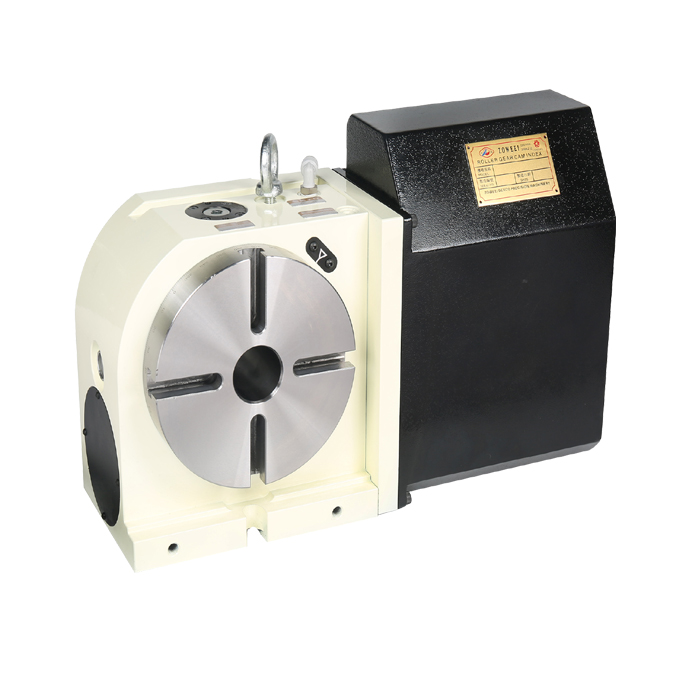
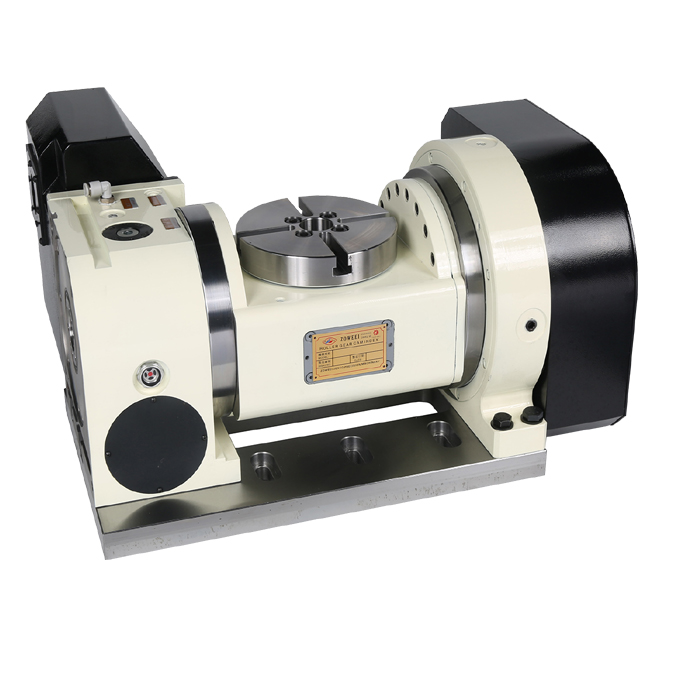
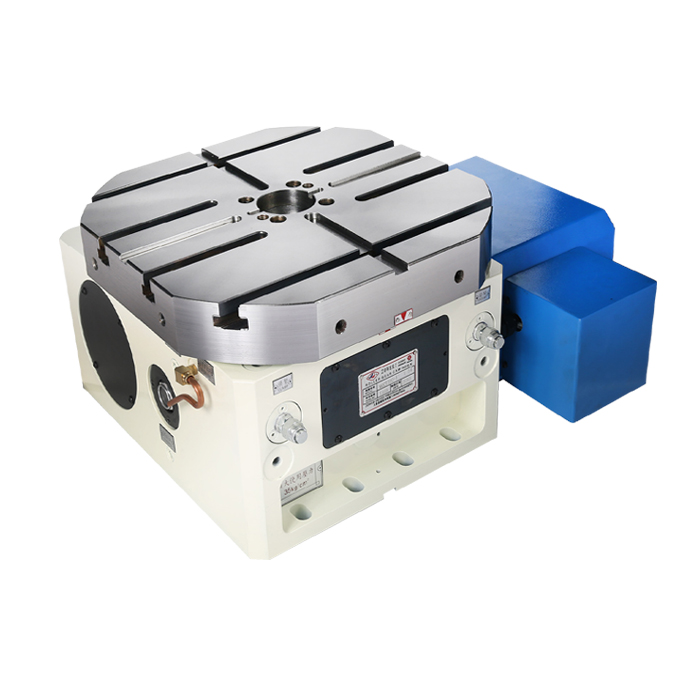
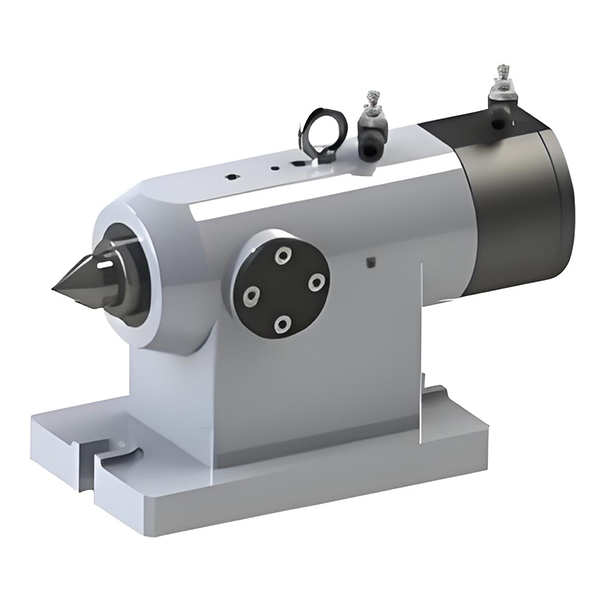
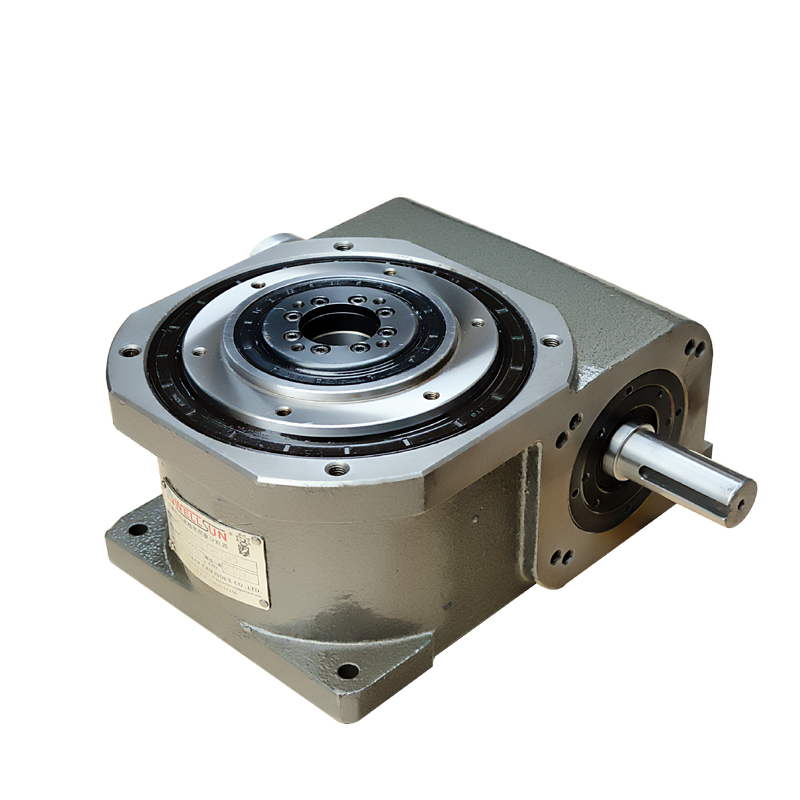
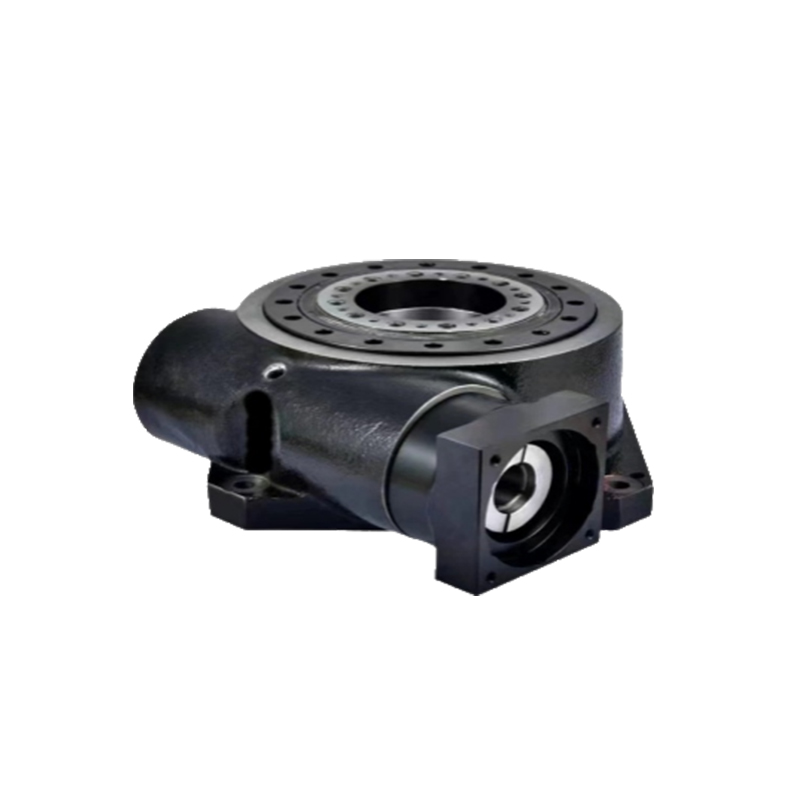
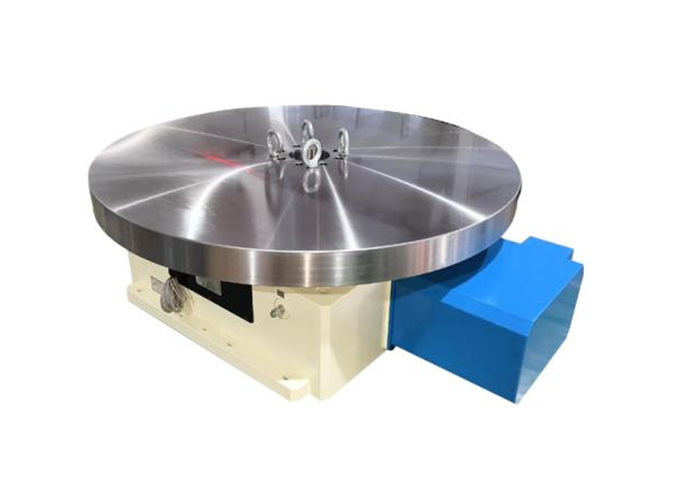
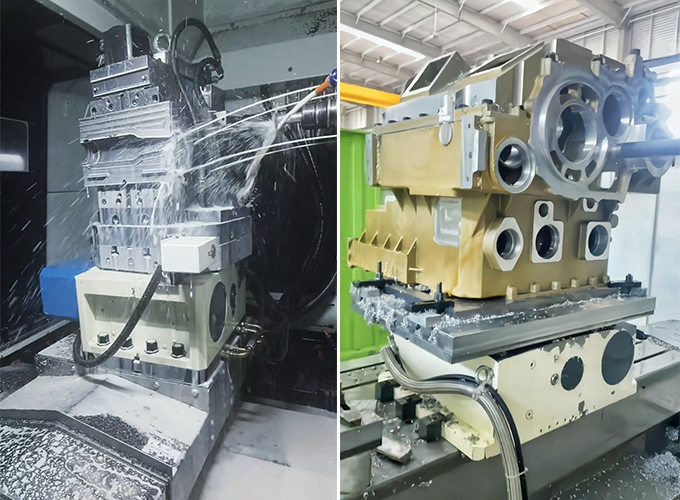
Focusing on the heavy-duty energy equipment, power transmission, and large-scale valve industries, this solution highlights the engineering application of the Horizontal NCCT Series (Roller Cam + Three-Piece Clutch). By utilizing a horizontal mounting configuration integrated with the machine's inherent rigidity, this setup enables high-intensity metal removal for large and heavy workpieces. The solution emphasizes "extreme rigidity" on Horizontal Machining Centers (HMC) and "flexible expansion capability" on Vertical Machining Centers (VMC), providing a robust precision machining benchmark for global heavy industry clients.
1.Industry Characteristics
Gravity Load Optimization
For massive workpieces (e.g., large ball valves, heavy gearbox housings), the horizontal layout distributes load more effectively, significantly reducing radial impact on the rotary table’s main spindle.
Heavy Material Removal
Roughing with large-diameter face mills requires the indexing table to maintain exceptional mechanical static rigidity while in the locked state.
Optimized Chip Evacuation
Horizontal machining leverages gravity to facilitate rapid chip removal during deep-hole drilling or multi-face milling, protecting both the cutting tools and the finished surfaces.
2.Common Workpieces
Energy Equipment
Medium-to-large ball valve bodies, blowout preventer (BOP) components, and large manifold valves.
Power Transmission
Heavy-duty truck axle housings, industrial gearboxes, and slewing supports for construction machinery.
General Heavy Industry
Precision indexing workstations for horizontal boring and milling machines.
4. Engineering Configuration
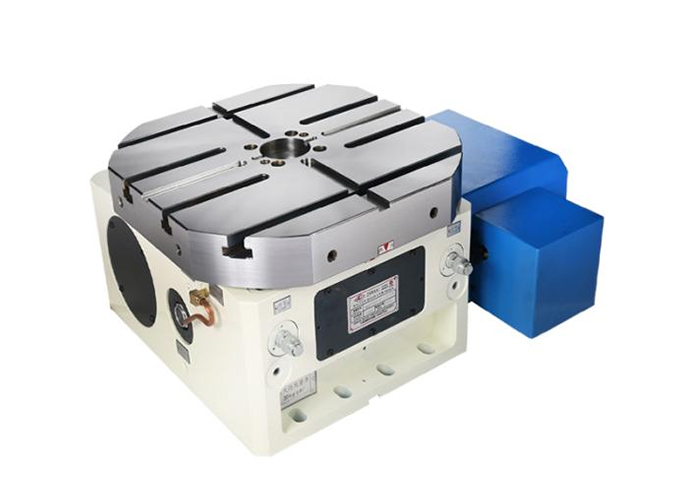
Primary Solution: Horizontal NCCT + Horizontal Machining Center (HMC)
Recommendation: Match with medium-to-large HMCs featuring a worktable size of 800mm or larger. This is the gold standard for heavy-duty machining, ensuring maximum positioning accuracy and cutting efficiency.
Secondary Solution: Horizontal NCCT + Vertical Machining Center (VMC)
Recommendation: Match with heavy-duty VMCs featuring a stroke of 1200mm or larger.
Technical Tip: This combination typically requires a specially designed Angle Plate or modular fixture system to manage spatial interference and ensure workpiece stability in a vertical orientation.
5. Industry Pain Points: Insights on Vibration and Displacement
Low-Frequency Resonance:
During cantilevered machining or heavy side-cutting, insufficient locking force on standard tables leads to low-frequency resonance, which can destroy the surface finish of critical sealing faces.
Hydraulic Fluctuation Impacts:
In large-scale workshops, inconsistent locking force caused by temperature-induced hydraulic oil fluctuations can lead to dimensional drift over long production cycles.
7. Engineering Advice for Global Variations
To ensure equipment performs at its peak across different geographical environments (from arctic regions to tropical, high-dust areas), we share the following engineering expertise:
Fluid Viscosity and Ambient Temperature:
In cold climates, hydraulic oil viscosity changes can affect response times. We recommend using ISO VG 32/46 low-pour point hydraulic oil to ensure rapid indexing and consistent locking force for the three-piece clutch.
Thermal Displacement Management:
For large-scale precision parts, we advise establishing a "Warm-up Cycle" routine—running the indexing table for 15 minutes prior to cutting. This allows the internal Roller Cam and clutch components to reach thermal equilibrium, offsetting micron-level accuracy drift caused by ambient temperature changes.
Dust and Seal Protection:
In environments with high cast-iron dust, regularly inspect the Air Curtain system to prevent abrasive particles from entering the gear engagement surfaces, preserving locking integrity.
Advantages
01
Extreme Vibration Resilience
The "Dynamic-Static Separation" design keeps the precision Roller Cam mechanism away from shock loads, extending equipment service life by over 30%.
02
Single-Setup Value
Horizontal multi-face machining reduces the need for repeated crane lifting, enhancing operator safety and ensuring superior relative positional accuracy between holes and surfaces.
03
System Compatibility
Seamlessly adapts to global mainstream CNC systems for rapid and precise multi-axis positioning integration.
9. Target Buyers
Production Managers at OEMs specializing in global energy equipment and heavy power machinery.
Technical Leads seeking to upgrade 3-axis equipment with horizontal multi-face machining capabilities.
Quality Control Experts in heavy industry who demand superior surface finishes under heavy cutting conditions.
Expertise Beyond Hardware.
At HAEGOLIA, we provide the technical logic that drives your workshop's efficiency. Uncertain which rotary table configuration best fits your production line? Access our Knowledge Base or speak with a Strategic Consultant today.
Essential Machine Tool Solutions
A Premier Provider of Machine Tool & Automation Components with 20+ Years of Manufacturing Excellence.
Find by Machine Type
Find by Workpiece Type