Share
Choosing the right CNC Machine Tool Accessory Supplier affects machining accuracy, machine uptime, operating cost, and production delivery. The best supplier is not always the one with the lowest quotation. Purchasing teams need a supplier that can confirm compatibility, provide stable quality, deliver on time, offer technical support, and remain accountable after the sale.
This guide explains a practical supplier evaluation process based on the questions buyers commonly ask when comparing CNC accessory manufacturers, distributors, and online suppliers. It also includes the required tools, step-by-step purchasing method, evaluation criteria, and common mistakes to avoid.
The first purchasing problem is unclear requirements. If the buyer only requests a general product name, different suppliers may quote products with different specifications, materials, tolerances, and service lives. A reliable purchasing process starts with a complete technical requirement sheet.
Prepare the following information before requesting a quotation:
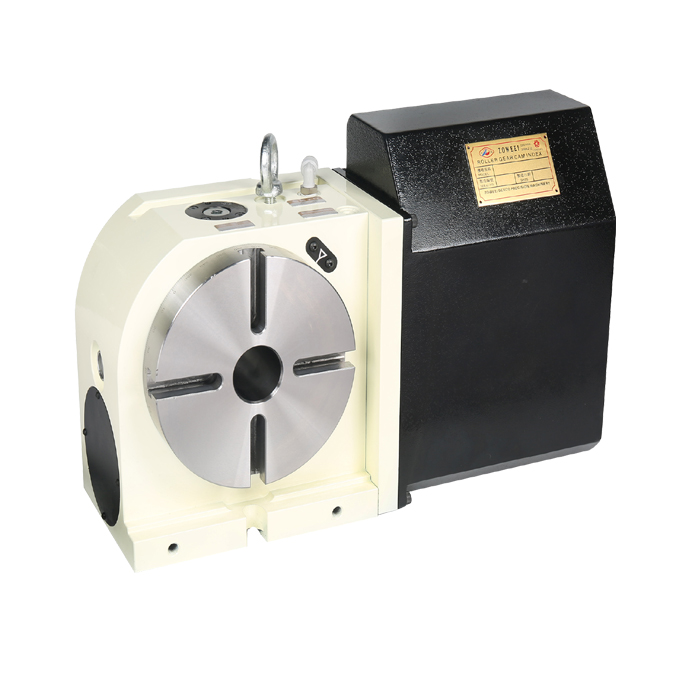
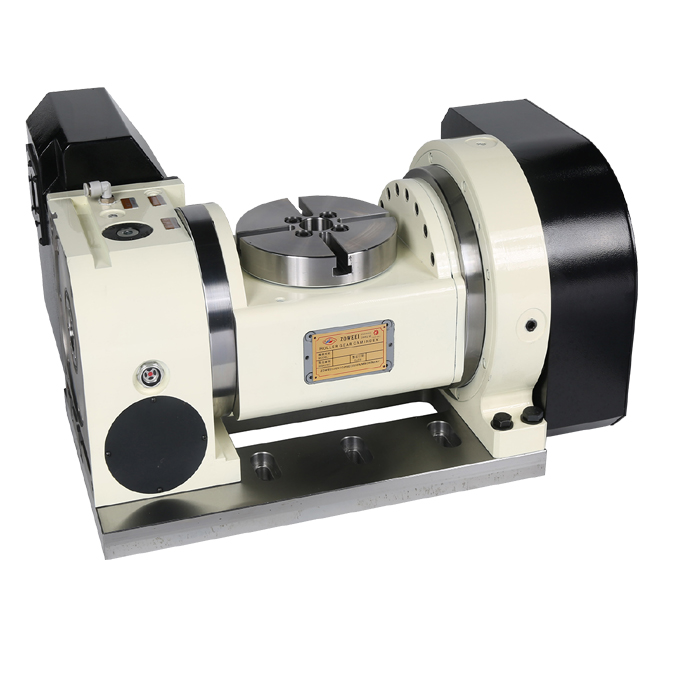
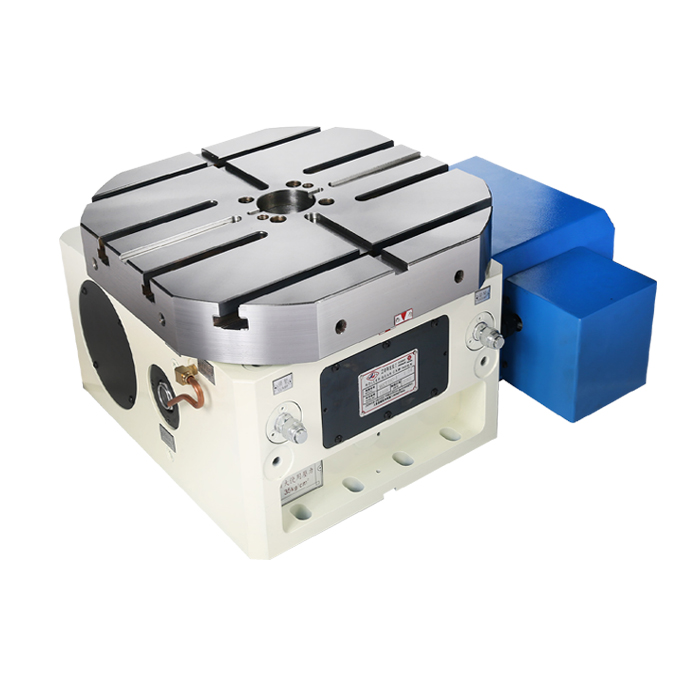
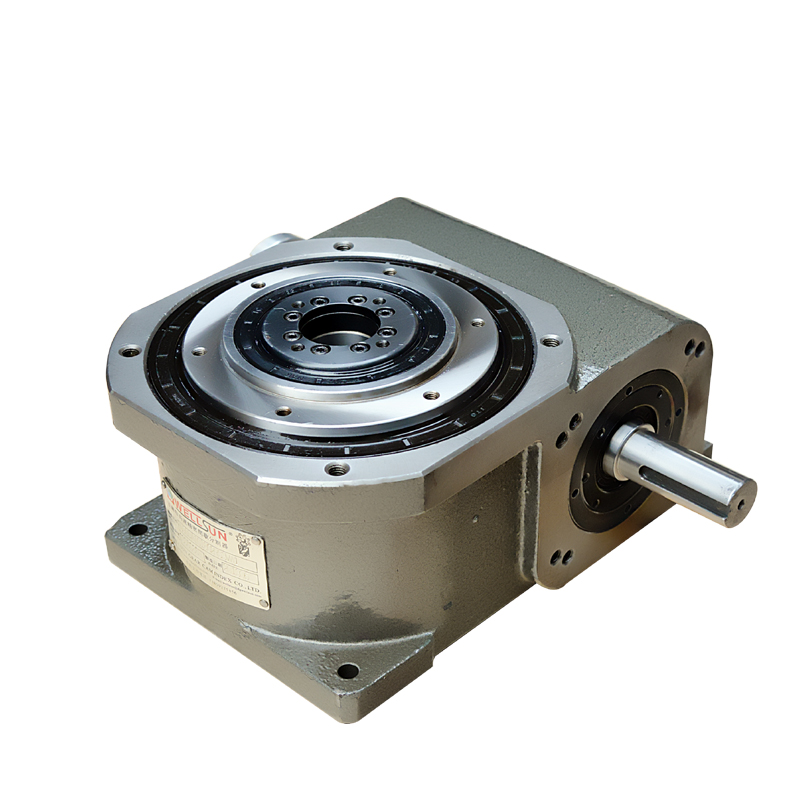
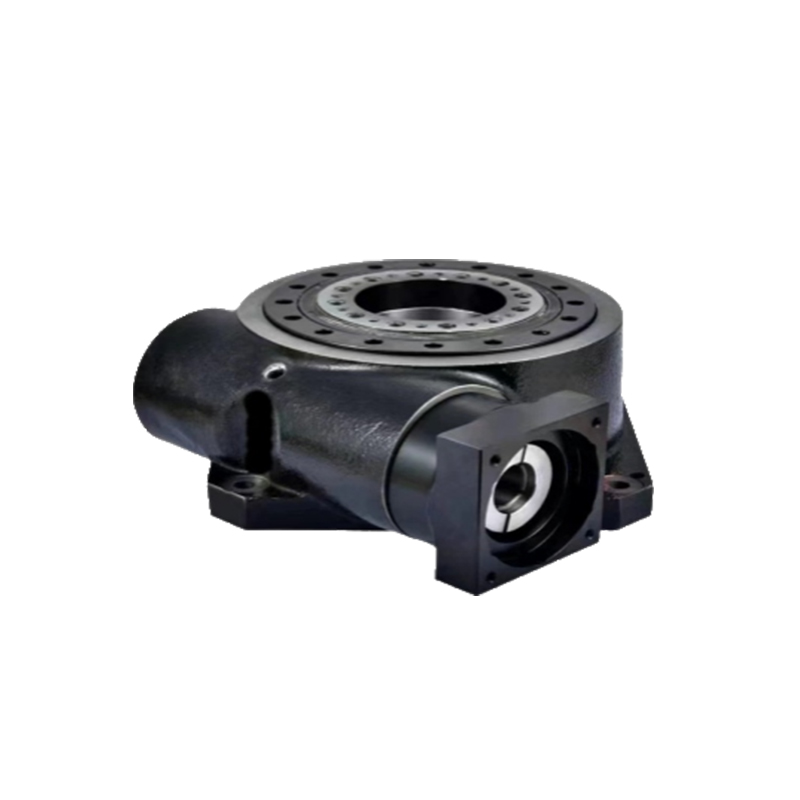
For example, a quotation request for a CNC chuck should include the chuck diameter, jaw type, clamping range, spindle connection, maximum rotation speed, allowable runout, and workpiece material. A request for a rotary table should include table diameter, load capacity, angular accuracy, drive method, and CNC interface.
Use one comparison sheet for every supplier. This prevents purchasing teams from comparing price alone while overlooking important technical differences.
Compatibility is one of the most serious purchasing pain points. An accessory may appear to fit the machine but fail during installation because of an incorrect taper, thread, electrical connection, mounting hole pattern, control protocol, or load rating.
A reliable CNC Machine Tool Accessory Supplier should provide clear technical documents before accepting an order. Request the following items:
Compare the supplier drawing with the original machine manual. Do not rely only on product photographs or statements such as "universal fit." Confirm every connection point that affects safety, performance, or installation time.
Depending on the accessory, verify these parameters in writing:
Ask the supplier to identify any required accessories that are not included in the quotation. This avoids receiving an apparently low-cost quotation that requires expensive adapters or modifications later.
A technically capable supplier should ask questions about the application instead of immediately recommending the most expensive product. Share drawings, photos, machine manuals, workpiece information, and current failure details when possible.
Evaluate the supplier response by checking whether it:
Buyers often experience inconsistent dimensions, poor surface treatment, premature wear, vibration, and repeated replacements when a supplier lacks process control. Product quality should be evaluated through evidence rather than marketing language.
Ask the supplier how quality is controlled from raw material purchasing to final shipment. A dependable supplier should be able to explain:
Certificates such as ISO 9001 may support an evaluation, but a certificate alone does not guarantee that every product will meet your requirements. Request inspection records and sample test data for the exact product family being considered.
Different CNC accessories require different acceptance criteria. Discuss the most important indicators with the supplier before ordering:
A sample or small trial order is one of the best ways to verify quality before a large purchase. Test the accessory under actual or simulated production conditions.
The lowest unit price may create a higher total cost if the accessory has a short service life, causes machine downtime, requires frequent adjustment, or does not include important components. Purchasing groups should compare the total cost of ownership.
Include all costs connected with the purchase:
Use this basic formula to compare offers:
Total cost of ownership = purchase cost + logistics cost + installation cost + maintenance cost + downtime cost - expected service value.
Ask each supplier for realistic service-life information under conditions similar to your application. Do not compare service life based on laboratory conditions when your factory uses heavy cutting, abrasive materials, high coolant pressure, or continuous production.
Questions to ask include:
Purchasing teams need dependable communication and predictable delivery. A supplier that gives a good quotation but cannot answer technical questions or meet the agreed date may create production delays.
Ask the supplier to explain the full order process:
Confirm whether the quoted lead time begins after the purchase order, after payment, or after drawing approval. Also ask how the supplier handles delays, material shortages, quality problems, and urgent replacement requests.
The quotation stage reveals how the supplier may support you after the sale. A reliable supplier usually provides specific answers, consistent documents, and a named contact person.
Evaluate:
Before ordering, obtain written terms for warranty coverage, exclusions, claim procedures, response time, replacement parts, repair service, and return shipping. Clarify whether the warranty applies to normal production use or only to limited testing conditions.
A useful after-sales agreement should explain:
A structured process helps purchasing, engineering, quality, and production teams reach the same decision. The following steps can be used for most CNC accessory purchases.
Write down the machine model, accessory type, application, quantity, performance requirements, delivery date, and budget. Separate mandatory requirements from preferred features.
Identify at least three potential suppliers. Use manufacturer websites, industry directories, trade references, existing customer recommendations, and professional sourcing networks. Include both established suppliers and technically strong specialist suppliers.
Remove suppliers that cannot provide basic product documents, clear contact information, or relevant application experience.
Use the same request for quotation so that all suppliers respond to identical requirements. Include drawings, photos, machine data, quantity, delivery location, inspection requirements, packaging needs, and requested commercial terms.
Ask each supplier to identify assumptions, exclusions, and optional items. This makes the quotations easier to compare.
Engineering and production teams should confirm compatibility before purchasing compares prices. Reject quotations that have missing specifications, unexplained substitutions, or unclear compliance with the required performance.
Request company information, quality documents, product samples, factory photographs, inspection records, customer references, and evidence of similar applications. When the order value or production risk is high, arrange a remote or on-site audit.
Use a trial order to verify installation, accuracy, durability, and supplier response. Record all test results in a formal evaluation report.
Use a weighted scorecard instead of selecting by price alone. A practical example is:
Adjust the weights according to your production priorities. For safety-critical accessories, quality and technical support should receive greater weight. For emergency replacement orders, delivery capability may be more important.
Place the order only after the final specifications, drawings, price, delivery date, warranty, inspection requirements, packaging, and payment terms are written into the purchase agreement.
Inspect the product before installation. Check the model number, quantity, dimensions, surface condition, accessories, certificates, and packaging damage. Keep photographs and inspection records for future claims.
After the accessory has been used in production, evaluate accuracy, durability, downtime, response time, and actual cost. Keep qualified suppliers in an approved supplier list and review their performance periodically.
Purchasing teams can make better decisions when they use consistent evaluation tools. The following checklist is suitable for engineering, procurement, quality, and production departments.
Supplier selection should not be handled by purchasing alone. Include the people who understand the operational risk:
Most supplier problems can be reduced by identifying risks before the purchase order is issued.
A low price may exclude adapters, inspection, packaging, technical support, or critical product features. Compare total cost, service life, warranty, and production risk before selecting the lowest offer.
Two accessories may look similar but have different mounting dimensions, speed ratings, clamping forces, or control requirements. Always confirm compatibility with drawings and technical data.
Important specifications, delivery dates, warranty terms, and inspection standards should be included in written documents. Verbal promises are difficult to enforce when a problem occurs.
A sample test may appear to delay the purchase, but it can prevent a much longer production interruption. Test high-risk or high-value accessories before approving a large order.
An accessory may perform well but still become a production risk if replacement parts take several months to arrive. Confirm the availability, price, and lead time of wear components and emergency replacements.
Terms such as "high precision" or "long service life" are not measurable. Specify allowable runout, load, speed, repeatability, inspection method, and test conditions before production begins.
Precision accessories can be damaged by impact, moisture, vibration, or poor corrosion protection. Specify protective packaging, labeling, desiccant, shock protection, and inspection procedures for international shipments.
Installation problems and application questions can cause immediate downtime. Confirm how technical support works, who responds, and how quickly the supplier handles a warranty or replacement request.
Before approving a CNC Machine Tool Accessory Supplier, confirm each point below.
HAEGOLIA is one supplier option for buyers who need CNC machine tool accessories with clear product information, application support, and a structured purchasing process. Whether you choose HAEGOLIA or another manufacturer, the safest decision comes from verifying technical compatibility, quality evidence, delivery capability, total cost, and after-sales responsibility before placing the order.
By following these steps, your team can choose a CNC Machine Tool Accessory Supplier that supports stable production instead of creating additional purchasing and maintenance risk.