Share
Choosing the right CNC Machine Tool Accessory can improve accuracy, reduce setup time, and protect your machine from avoidable damage. A small job shop may need a vise, toolholders, measuring tools, coolant equipment, and chip control before it needs automation. This guide explains CNC machine tool accessories for small workshops, including what each item does, how to check compatibility, and which purchases should come first.
Buying accessories one at a time without a plan often creates problems. A toolholder may not match the spindle taper. A vise may not fit the table slots. A coolant system may not suit the cutting material. The correct approach is to begin with the machine manual, the parts you make, and the tolerances you must hold.

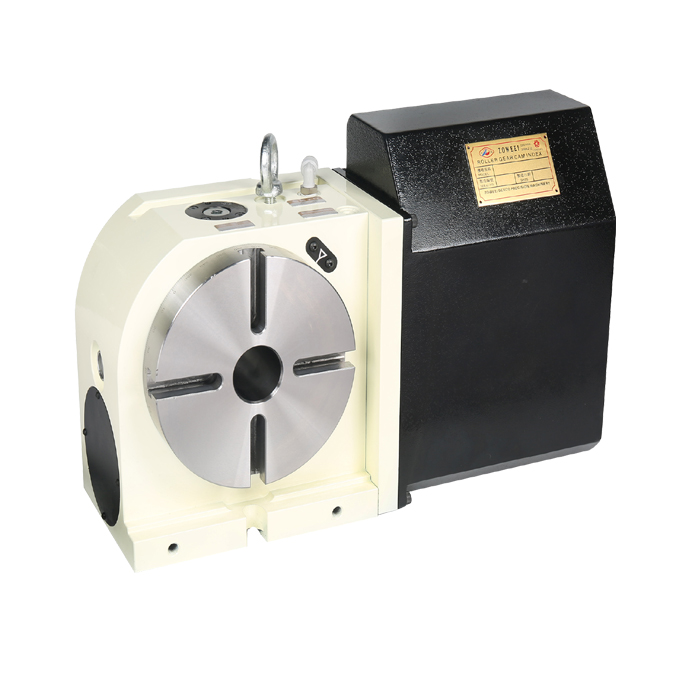
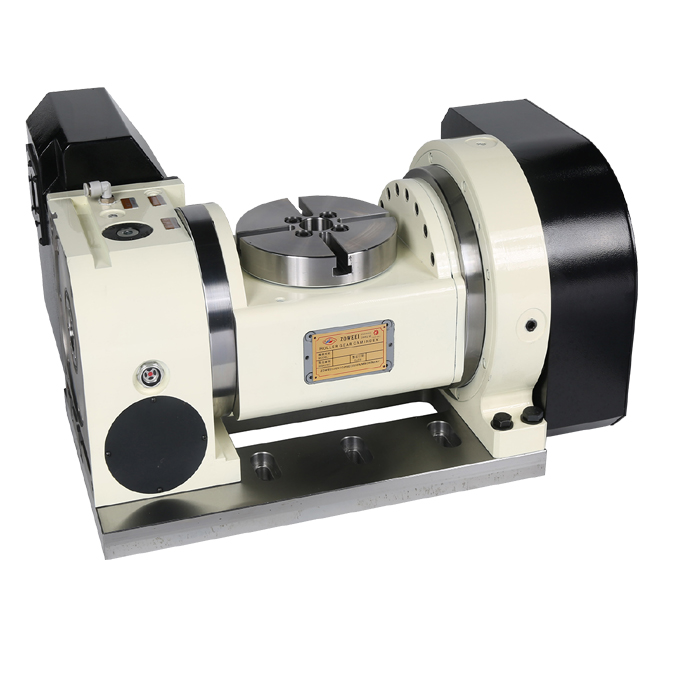
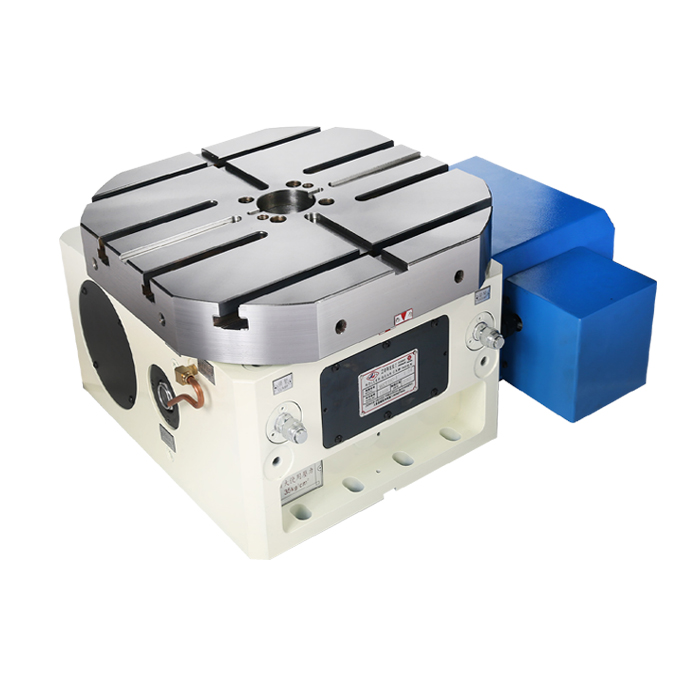
A CNC machine tool accessory is a supporting product used with a computer numerical control machine. It does not usually create the cutting motion itself. Instead, it helps the machine hold the workpiece, hold the cutting tool, remove heat, measure results, manage chips, or operate safely.
Common industry terms include:
In practical terms, the accessory should support one of five results: stable cutting, accurate positioning, reliable measurement, safe operation, or lower production time.
The best purchase order depends on the machine and the work. However, most workshops can use the following priority system.
Workholding is usually the first accessory group to evaluate. If the material moves during cutting, even a high-quality machine cannot produce a reliable part.
For a 3-axis milling machine, a precision machine vise is a common starting point. Look for:
For turning centers, the main options are three-jaw chucks, four-jaw independent chucks, collet chucks, and soft jaws. A three-jaw chuck is quick for round stock. A four-jaw chuck provides independent adjustment and is useful when you need to control runout or hold irregular parts. Collets can provide strong repeatability for suitable bar diameters.
Use soft jaws when the same part must be machined repeatedly. The jaws can be bored to match the part, increasing contact area and reducing marking. For unusual shapes, a dedicated fixture may reduce setup errors more effectively than a general-purpose vise.
Toolholders transfer spindle power to the cutting tool. They also affect runout, rigidity, tool life, and surface finish. The holder must match the machine’s spindle interface. Common interfaces include BT, CAT, HSK, and proprietary systems.
Before ordering, confirm:
ER collet systems are flexible because one collet range can hold several tool diameters. Shrink-fit and hydraulic holders can offer lower runout and good balance, but they may cost more and require additional equipment. For high-speed machining, balanced holders are important because imbalance creates centrifugal force, vibration, bearing load, and poor surface quality.
Use the holder manufacturer’s rated speed. Do not assume that a holder designed for low-speed cutting is safe at high spindle speed.
Cutting tools should match the workpiece material, machine power, toolpath, and required finish. A basic milling workshop may need:
Coating selection also matters. TiN, TiAlN, AlTiN, and other coatings are designed for different heat and wear conditions. For example, a tool used on aluminum may require polished flutes and a geometry that prevents chip welding. A tool used on hardened steel may need a heat-resistant coating and a suitable cutting speed.
Do not select a tool only by diameter. Check flute count, helix angle, corner radius, reach, coating, maximum speed, and recommended feed per tooth. The tool maker’s cutting data is a better starting point than a general online chart.
Coolant can remove heat, improve chip evacuation, reduce friction, and extend tool life. The correct method depends on the material and cutting process.
Coolant concentration should be checked with a refractometer rather than judged by appearance. The coolant supplier’s recommended concentration is the controlling value. Low concentration can reduce corrosion protection and lubrication. Excessive concentration can increase residue, odor, and operating cost.
The U.S. Occupational Safety and Health Administration provides guidance on metalworking fluids, including exposure control, fluid management, and worker protection. Workshops should review the relevant before installing mist or spray equipment.
Measurement accessories confirm whether the machine produced the correct part. At a minimum, many workshops need digital calipers, outside micrometers, an indicator, a magnetic base, a height gauge, and gauge blocks.
Use the measuring tool according to its resolution and accuracy. A caliper may be suitable for general dimensions, but a tight shaft tolerance normally requires a micrometer or another suitable gauge. The measurement system must be more accurate than the tolerance being checked.
Useful CNC measurement accessories include:
Calibration is essential. ISO 9001 quality systems require monitoring and measuring resources to be suitable for the measurement activity and maintained as necessary. The provides information on measurement standards and traceability.
Chips can damage a finished surface, block coolant flow, cut operators, and create fire risks when machining certain metals. Chip management should therefore be planned before production begins.
Useful equipment includes:
Never remove chips with bare hands, even when the machine is stopped. Use a brush, hook, or approved tool after following the machine manufacturer’s lockout and cleaning procedure.
Maintenance accessories help keep accuracy and availability stable. A workshop may need way lubricant, approved grease, filters, coolant skimmers, replacement wipers, cleaning tools, and a spindle maintenance kit.
Safety equipment is equally important. Depending on the machine and local rules, this may include eye protection, safety footwear, hearing protection, guarding, emergency-stop checks, suitable chip shields, and fire-control equipment.
ISO 12100 describes principles for machinery risk assessment and risk reduction. The is a useful starting point for understanding machine safety responsibilities. Always follow local regulations and the machine maker’s safety instructions.
Use the following process before placing an order.
Create a short machine specification sheet. Include:
This information prevents common ordering errors. A toolholder with the wrong taper, a vise that exceeds the table capacity, or a fixture that blocks the tool changer can delay production.
Write down the materials you machine most often, such as aluminum, mild steel, stainless steel, brass, titanium, plastics, or hardened steel. Then list the main operations: facing, pocketing, contouring, drilling, threading, turning, grooving, or boring.
Material and operation determine tool geometry, coating, coolant choice, workholding force, and chip-control needs. A workshop that mainly machines aluminum will not need exactly the same accessories as one cutting stainless steel.
A general fabrication part may accept a wider tolerance than a mold, medical component, or aerospace part. Record the drawing tolerance, surface roughness requirement, datum system, and inspection method.
For example, a part with a stated tolerance of ±0.01 mm needs a more controlled setup and inspection process than a part with a tolerance of ±0.10 mm. The accessory budget should reflect this difference.
If you make one-off parts, flexible vises, collets, and modular fixtures may provide the best value. If you repeat the same part every day, dedicated soft jaws, zero-point workholding, preset tools, and probing may reduce labor.
Track setup time for several jobs. If a fixture reduces a 45-minute setup to 20 minutes and the part runs 40 times per month, the saved time is approximately 16.7 hours per month. This calculation helps compare accessory cost with real production value.
Ask the supplier for drawings, tolerances, speed ratings, load ratings, replacement-part details, and installation instructions. Keep the machine manual and accessory documentation together.
For brands such as HAEGOLIA, request the exact model, dimensions, compatible machine types, and recommended use before purchasing. Product photos alone are not enough to confirm a fit.
Rigid workholding and low-runout toolholding reduce unwanted movement. The final result depends on the complete machining system, not only the CNC controller. Fixture alignment, spindle condition, tool deflection, thermal growth, and measurement technique all affect accuracy.
Preset tools, locating pins, modular fixtures, and probing can reduce repeated manual steps. The improvement should be measured in minutes per job rather than described as “fast.” If a workshop completes 12 setups per week and saves 15 minutes per setup, it gains 3 hours of productive time weekly.
Correct coolant, stable clamping, and suitable toolholders can reduce vibration and heat. Tool life still depends on cutting speed, feed, depth of cut, material, and machine rigidity. Record tool changes by part count or cutting time so the result can be measured.
Chip hooks, enclosures, coolant controls, and proper lifting equipment reduce exposure to sharp chips, rotating parts, and heavy workpieces. Safety accessories are not optional extras; they are part of responsible machine operation.
The cost of a part includes material, machine time, labor, tooling, coolant, inspection, scrap, and maintenance. An accessory is valuable when it lowers one or more of these costs without creating a new safety or quality problem.
A small milling workshop can begin with a basic but useful package:
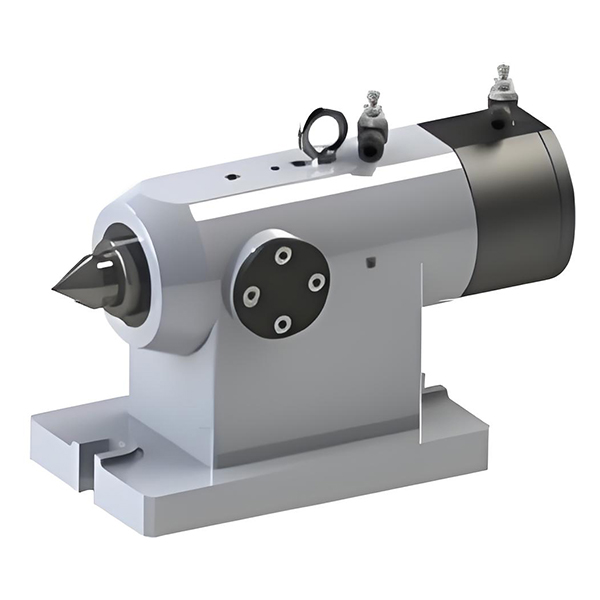
A turning workshop may replace the milling vise and edge finder with a three-jaw chuck, soft jaws, collets, tool blocks, boring bars, cutoff tools, and a tailstock center. A production shop may later add presetting, probing, quick-change fixtures, bar feeders, and chip conveyors.
Clean precision surfaces after every job. Remove chips from vise jaws, collets, fixtures, tapers, and locating pins. Apply the manufacturer-approved rust protection where needed, but keep taper and locating surfaces free from excess oil or debris.
Inspect accessories on a schedule:
Store holders vertically or in protected racks. Do not place precision tapers directly on a metal bench where they can be struck or contaminated.
Reliable workholding is usually the first priority. A suitable vise, chuck, or fixture keeps the material stable and makes setup repeatable. After that, purchase compatible toolholders, basic cutting tools, and inspection equipment.
No. Toolholders depend on spindle taper, machine model, retention method, tool changer design, and speed rating. Check the machine manual or spindle specification before ordering.
An edge finder is less expensive and works well for basic setups. A probe can measure more features and reduce manual work, especially in repeat production. Choose based on part volume, tolerance, and machine control compatibility.
There is no single replacement interval. Replace an accessory when inspection shows unacceptable wear, damage, loss of repeatability, or a safety issue. Record runout, tool life, setup time, and rejected parts to support the decision.
No. The best accessory is the one that matches the machine and process. A high-end holder may not repay its cost in occasional work, while a production shop may recover the investment through lower setup time and better tool life.
Start with the machine manufacturer’s specifications, then compare reputable suppliers such as HAEGOLIA. Confirm dimensions, material, tolerance, speed, load capacity, replacement parts, and technical support before purchase.
Begin by writing down your spindle taper, table dimensions, workpiece size, materials, tolerances, and most frequent operations. Rank each accessory by its effect on safety, accuracy, setup time, and cost per part. Purchase the items that solve the largest process risk first.
Before installation, read the machine and accessory user guides, check all ratings, and complete a low-speed test. Keep records of setup time, tool life, runout, coolant condition, and inspection results. These figures will show whether the accessory is delivering a measurable improvement.
For more guidance, review the relevant machine manual, consult recognized safety and measurement standards, and ask HAEGOLIA for product compatibility information. This step-by-step method is a practical way to choose CNC machine tool accessories that fit your workshop instead of simply adding more equipment.