Cam Indexing Systems

Cam Indexing Systems

Modern High-Frequency, Zero-Backlash Intermittent Motion Solutions

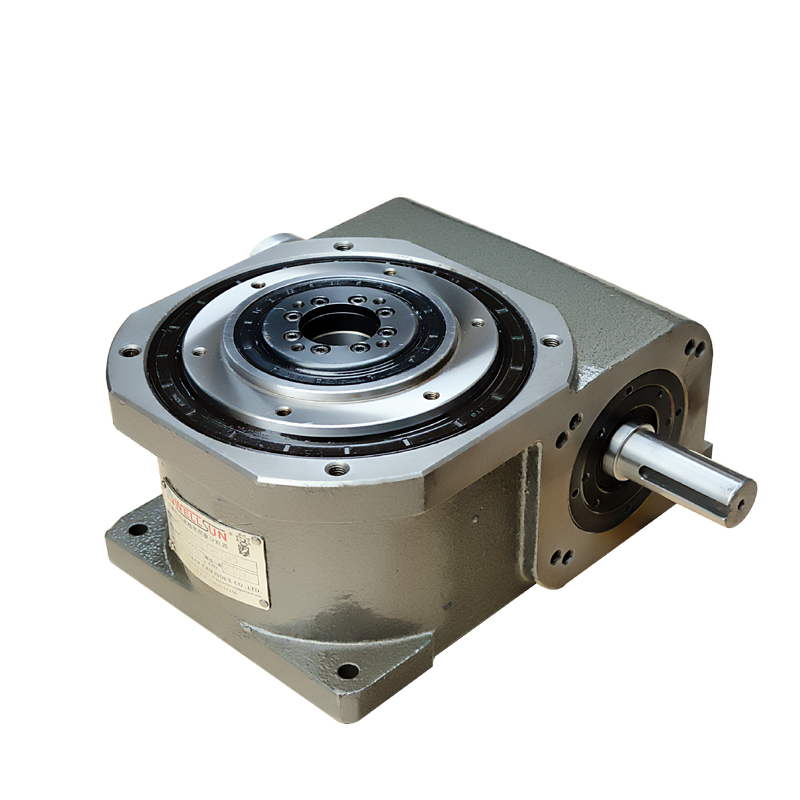
Cam Indexing Systems convert continuous rotary input into precise, intermittent indexing motion. Backed by twenty years of precision manufacturing expertise, our indexers feature an optimized roller-clutch mechanism that completely eliminates the backlash inherent in traditional gear drives, providing high-speed, high-torque, and maintenance-free rotary positioning for automated assembly lines, packaging machinery, and lithium-ion battery manufacturing equipment.

Share:

Modern High-Frequency, Zero-Backlash Intermittent Motion Solutions

Cam Indexing Systems

Cam Indexing Systems convert continuous rotary input into precise, intermittent indexing motion. Backed by twenty years of precision manufacturing expertise, our indexers feature an optimized roller-clutch mechanism that completely eliminates the backlash inherent in traditional gear drives, providing high-speed, high-torque, and maintenance-free rotary positioning for automated assembly lines, packaging machinery, and lithium-ion battery manufacturing equipment.

TECHNICAL EXCELLENCE

Cam Indexing Systems

1. Mechanical Kinematics: Pure Rolling Friction & Zero Backlash

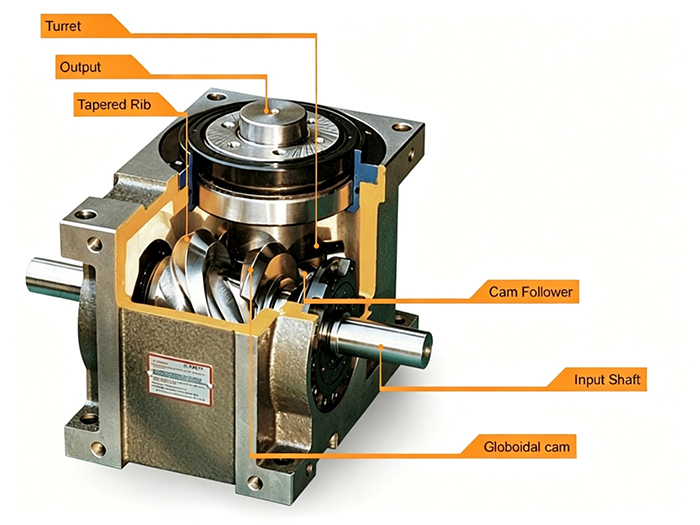
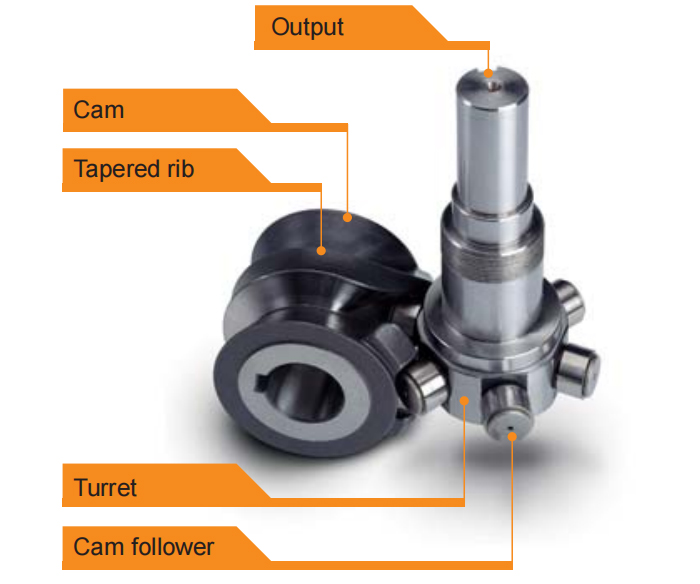
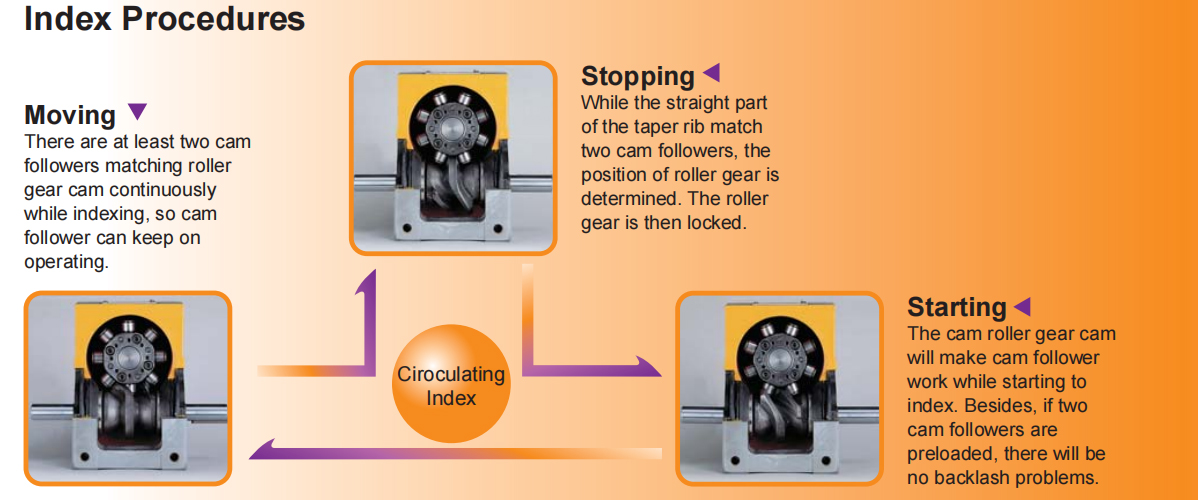
• Mechanism Logic: The globoidal cam on the input shaft meshes seamlessly with the tapered roller bearings on the output turret. Through the physical pre-loading of the cam and rollers, mechanical dead zones and backlash are eliminated at the source, ensuring absolute locking during both acceleration and dwell phases.

• Wear Resistance: Traditional sliding friction is entirely replaced by pure rolling contact. Even after millions of high-frequency cycles, the unit maintains arc-second indexing accuracy without precision degradation.


2. Dynamics Control: Mathematically Optimized Motion Curves

• Vibration Suppression: Standard configurations support multiple advanced acceleration curves—including Modified Sine (MS), Modified Trapezoid (MT), and Modified Constant Velocity (MCV50).

• Core Benefit: These mathematical profiles effectively smooth out peak acceleration, drastically reducing inertial shock and vibration during high-speed indexing, directly protecting upstream assembly mechanisms, robotic manipulators, and delicate workpieces.


Cam Indexing Systems


3. Industrial Rigidity: Heavy-Duty Cast Housing & Lifetime Lubrication

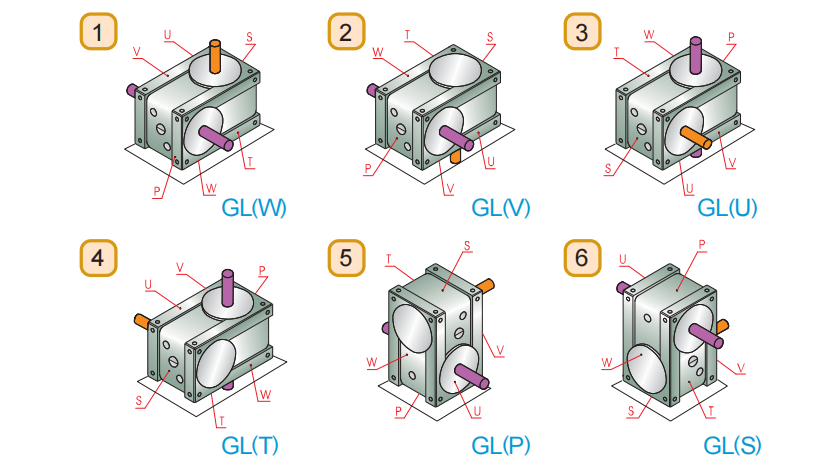
• Structural Stiffness: The entire system is enclosed in a high-strength, multi-face precision-machined cast iron housing. It supports highly flexible mounting configurations across multiple faces (V, W, P, S, T, U) to integrate seamlessly into any machine frame layout.

• Maintenance-Free Design: Core internal transmission components run in a continuous oil bath for optimal heat dissipation and lubrication, minimizing downtime in 24/7 high-intensity production environments.

APPLICATION & PROBLEM SOLVING

Cam Indexing Systems


01 Main Application Fields

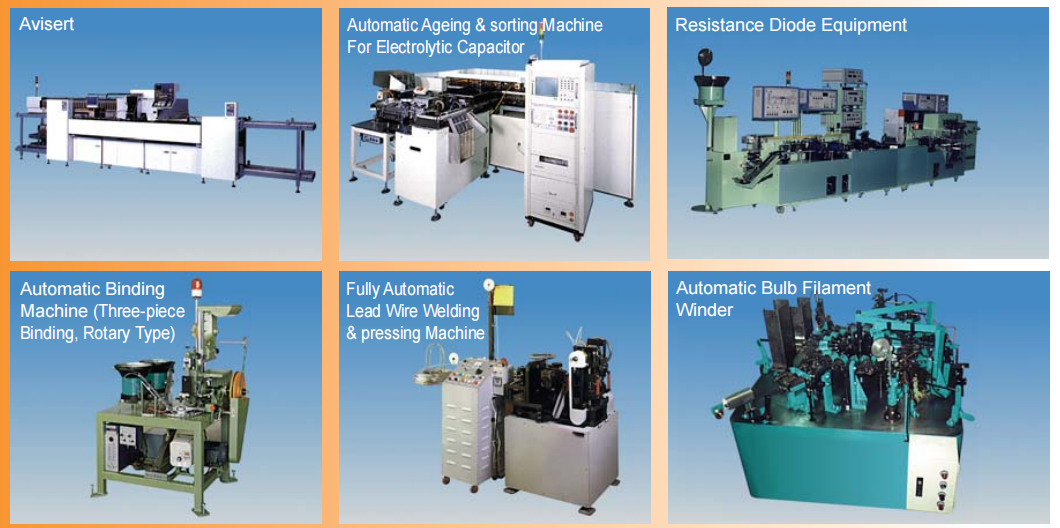
• Lithium-ion & New Energy Manufacturing: Multi-station rotary cell assembly lines, high-speed electrolyte injection machines, tab welding machines, and winding machines.

• 3C Electronics & Semiconductor Packaging: Chip mounter dial plates, mobile phone component assembly lines, high-speed LED sorting, and inspection equipment.

• Food, Daily Chemical & Pharmaceutical Packaging: Multi-head rotary filling machines, high-speed capping machines, labeling machines, and automated cartoning machinery.

• Automotive Component Automation: Multi-station automated welding, screw-driving, assembly, and inspection lines for headlights, clutches, and precision valve bodies.


02 Core Engineering Pain Points Solved

• Eliminating Backlash and Cumulative Error: Traditional "servo motor + standard reducer" setups introduce mechanical dead zones during frequent start-stop cycles, leading to cumulative positioning errors over time. The HG Cam Indexing System relies on mechanical rigid locking and pure rolling friction to physically eliminate backlash, ensuring long-term, absolute repeatability.

• Mitigating High-Speed Start-Stop Shock and Vibration: Under tight cycle times (e.g., indexing times below 0.5 seconds), instantaneous acceleration generates severe vibration. Our mathematically optimized motion curves (MS/MT) smooth peak acceleration from the source, preventing workpiece displacement and protecting upstream manipulators from damage.

• Resolving Cable Entanglement and Space Constraints: Multi-station pneumatic or electric fixtures frequently cause tangled lines during rotation. By offering stationary hollow centers (DT/DA series) and flat, ultra-thin profiles (PU series), engineers can route pneumatic lines and cables directly through the axis center or achieve stable heavy-duty transport within tight vertical clearance.


Examples


Cam Indexing Systems

MAINSTREAM PRODUCT SERIES

Cam Indexing Systems

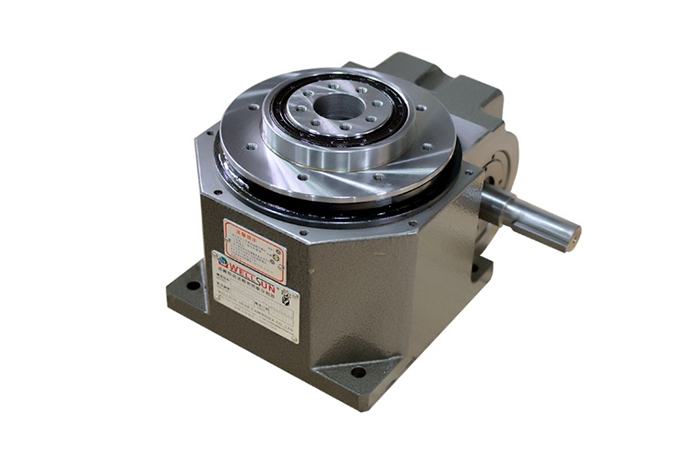
01 | DF Series: Flange Type


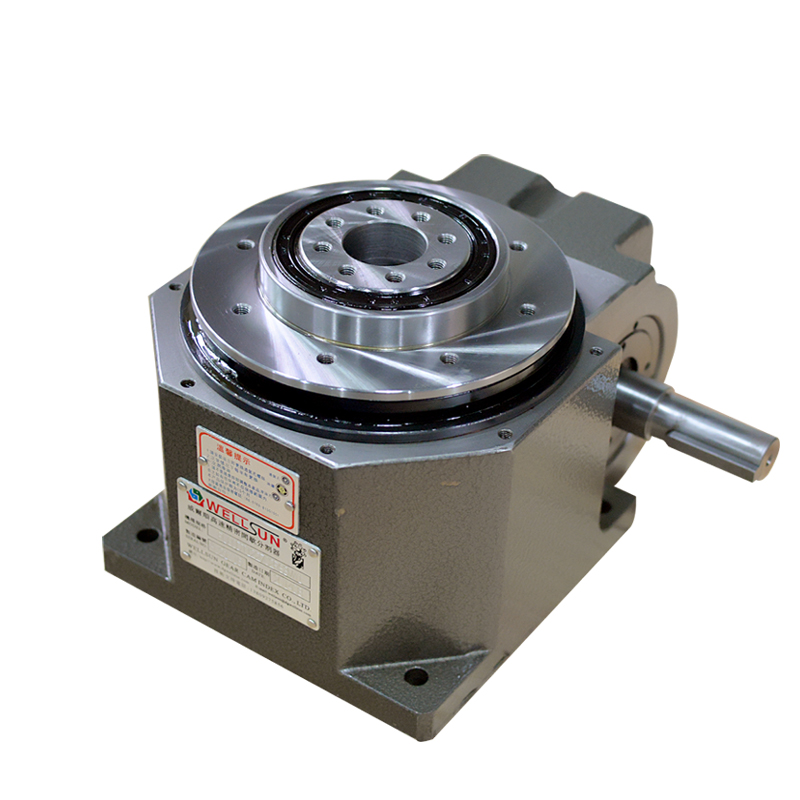
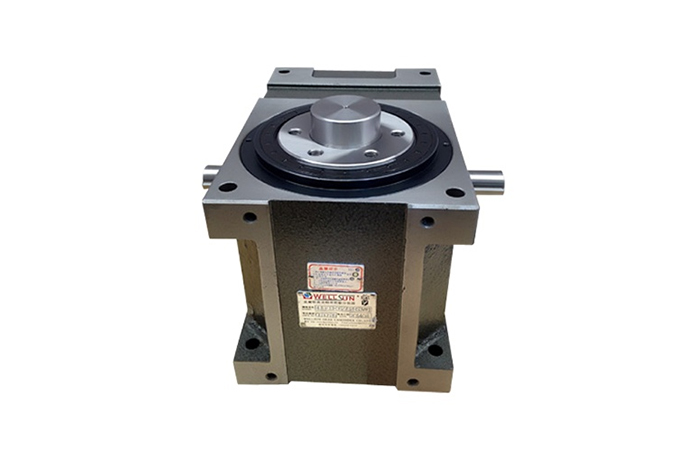
• Design & Rigidity: Features a wide, low-profile output flange. Allows direct bolting of heavy rotary dials, turntables, or large-diameter indexing plates without requiring additional flange adapters.

• Best Applications: Heavy-duty rotary assembly, multi-station automated welding systems, and high-load carousels with strict radial and axial rigidity requirements.

Cam Indexing Systems

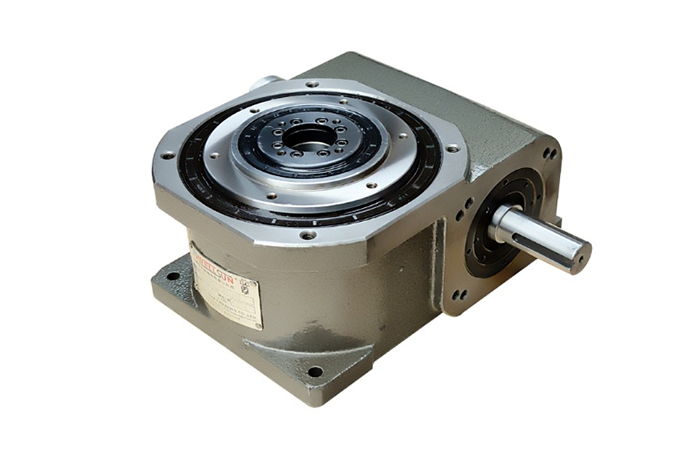
02 | DT Series: Table Type


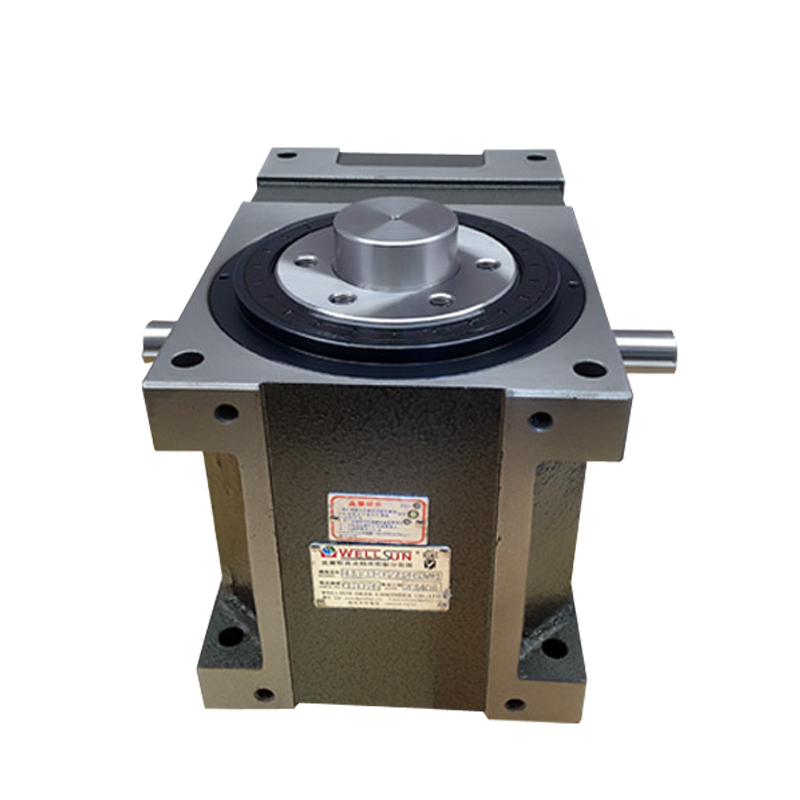
• Stationary Hollow Center Advantage: Engineered with a highly stable, wide-base desktop structure featuring an integrated stationary hollow bore through the center.

• Best Applications: Layouts requiring complex upper tooling mechanisms. Allows pneumatic lines, electrical wiring, or central drive shafts to pass directly through the indexer center, completely eliminating cable tangling during high-frequency rotation.

Cam Indexing Systems

03 | DA Series: Ultra-Thin Table Type


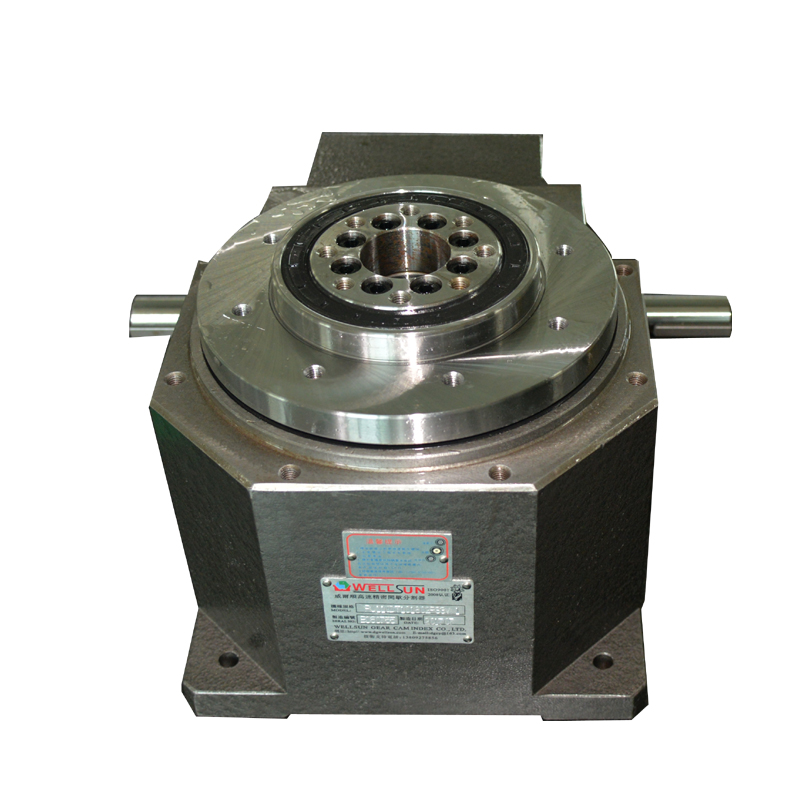
• Space Optimization: A compact evolution of the table type, drastically reducing the vertical stack height while preserving large-diameter central hollow bore capabilities.

• Best Applications: Compact automation cells, precision testing/inspection equipment for electronic components, and automation units with extreme vertical clearance limits.


Cam Indexing Systems

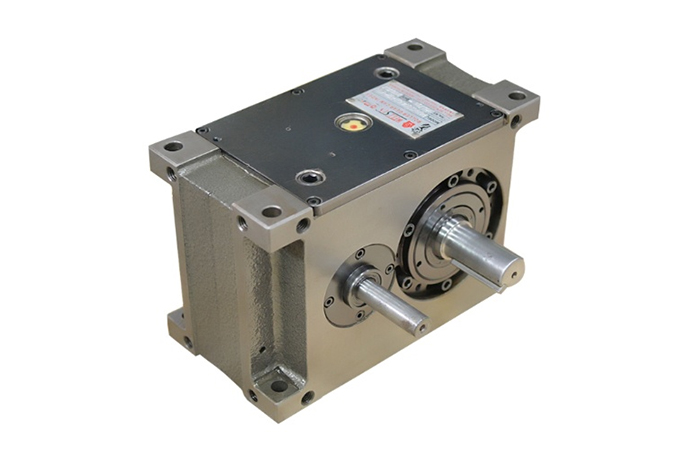
04 | PU Series: Plate Type


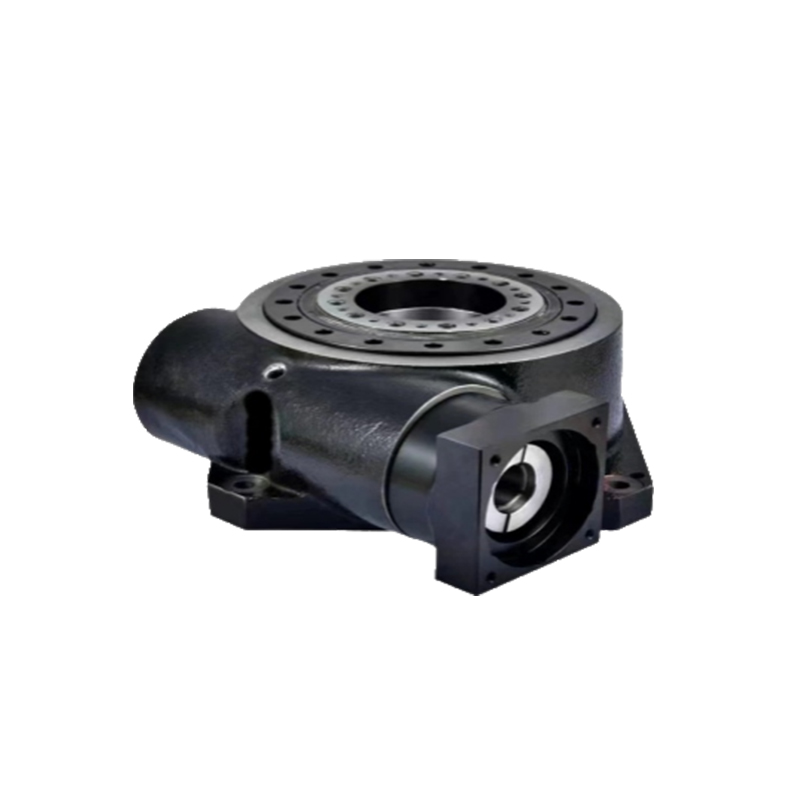
• Extreme Torque Resistance: Equipped with heavy-duty internal bearings for exceptional axial load capacity. The housing thickness is minimized into a flat, plate-like structure, delivering an ultra-low center of gravity and unmatched resistance to overturning moments.

• Best Applications: Large-diameter multi-station chain conveyors, heavy-duty intermittent rotary conveyors, and automated assembly lines requiring an exceptionally low transport surface height from the floor.


Cam Indexing Systems

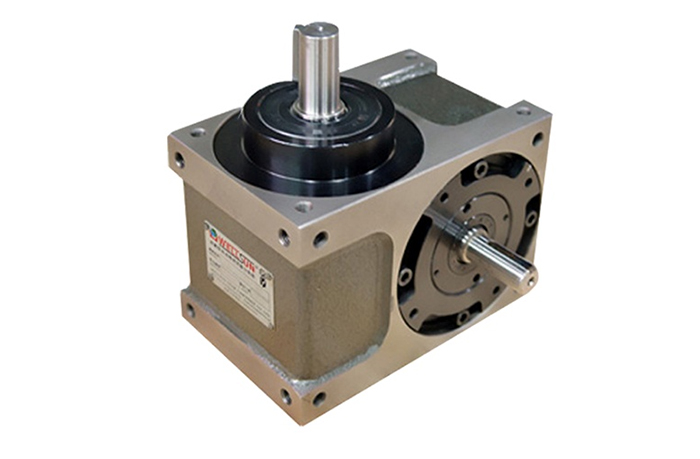
05 | DS Series: Shaft Type


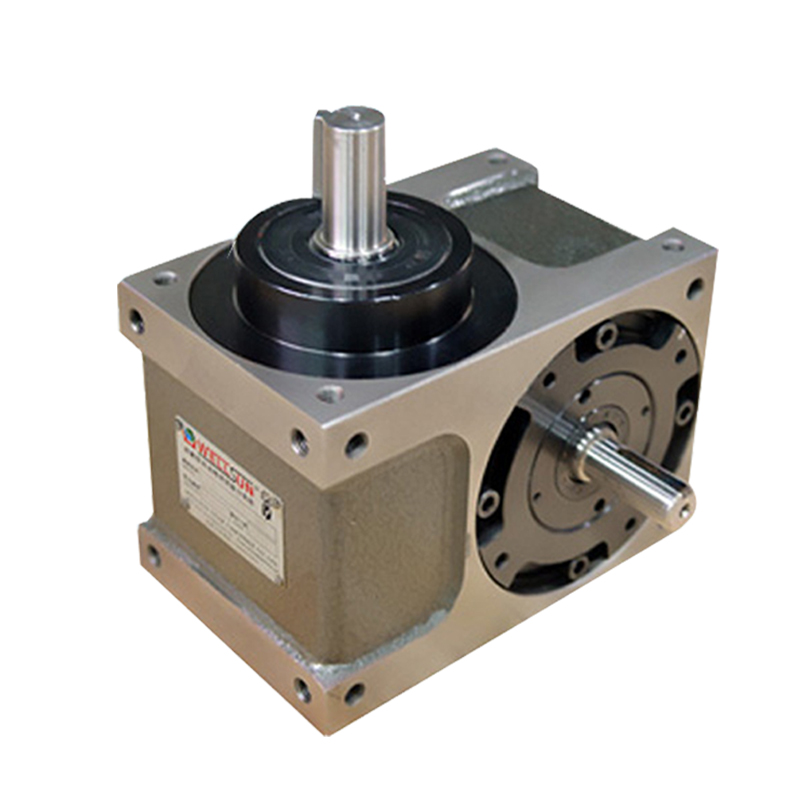
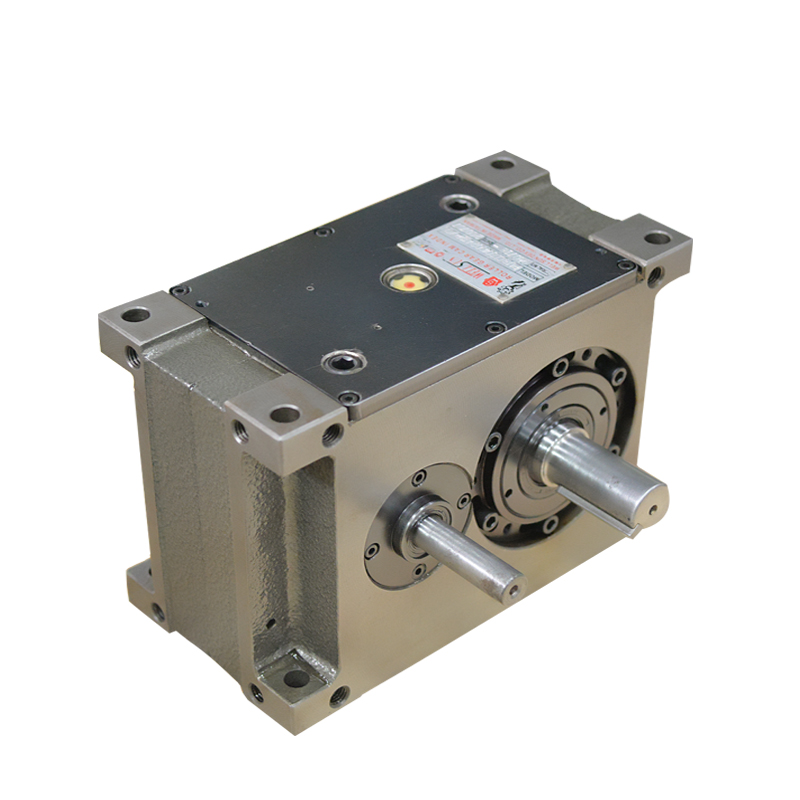
• Flexible Interface Integration: The output is a precision-ground solid shaft featuring a standardized keyway.

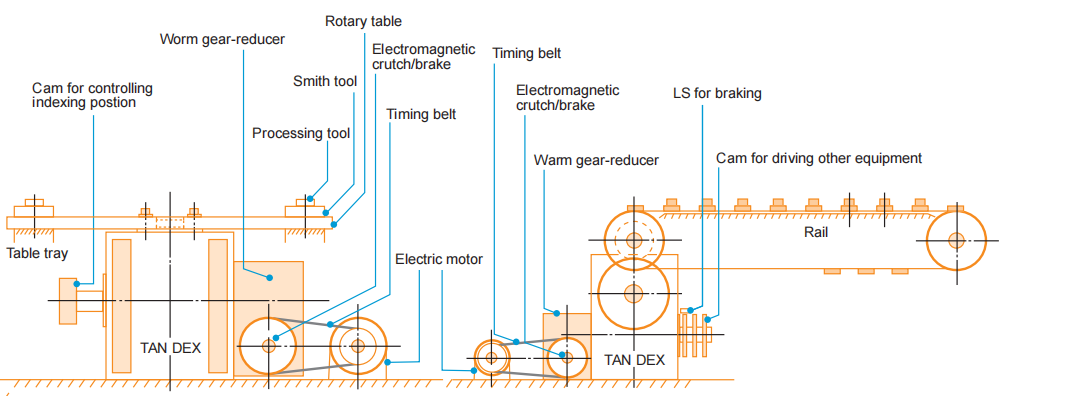
• Best Applications: Indirect drive integration. Perfectly suited for driving conveyor chains via sprockets, timing belts via pulleys, or driving multi-axis synchronized sub-mechanisms via standard gears.

TECHNICAL NOMENCLATURE & SELECTION CODE

To ensure flawless engineering communication, please refer to the following standardized selection code layout when ordering:

Cam Indexing Systems

• a. Mechanism Type: RU – High-rigidity roller cam basic mechanism.

• b. Model Size: Distance between input and output shaft centers (e.g., 80D = 80mm center distance).

• c. Output Configuration: DS (Shaft Type), DF (Flange Type), DT (Table Type), DA (Ultra-Thin Table Type), PU (Plate Type).


Cam Indexing Systems

• d1. Number of Indexing Stations (Stops): Standard indexing divisions (e.g., 08 = 8 stops); customizable up to 48 stops.

• d2. Input Cam Drive Angle: The rotation angle of the input shaft dedicated to driving the output indexing motion (e.g., 120° drive angle / the remaining 240° represents the stationary dwell time).

• e. Cam Motion Curve: 1-Modified Trapezoid (MT), 2-Modified Sine (MS), 3-Modified Constant Velocity (MCV50).

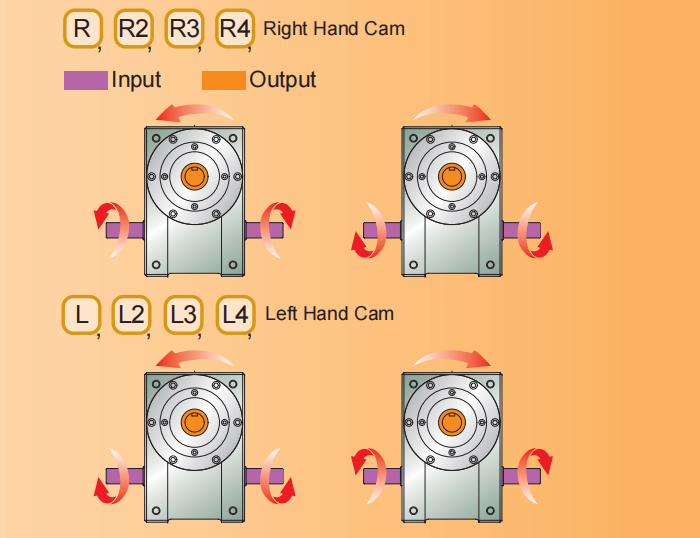
• f. Cam Helix Direction & Number of Dwells: Defines right-hand (R) or left-hand (L) helix, and the number of dwells per input shaft revolution (1, 2, 3, or 4 Dwells).

Cam Indexing Systems

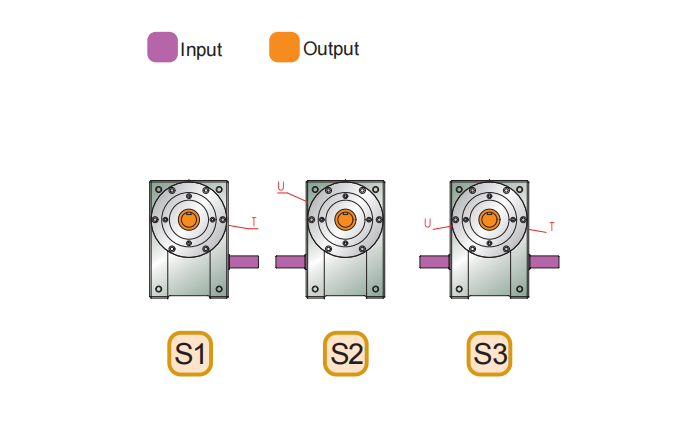
• g. Input Shaft Arrangement: S1 to S4 options, specifying single or double extended input shafts and their spatial directional alignment.

Cam Indexing Systems

• h. Housing Mounting Faces: Specifies machined mounting surfaces equipped with threaded holes (V, W, P, S, T, U) to perfectly match your frame layout.


TECHNICAL SUPPORT & CATALOG DOWNLOAD

• Access More Models & Detailed Dimensions: This page only displays mainstream core series. For special configurations, detailed Allowable Dynamic Torque, and axial/radial ultimate load data, please download our Product Catalog directly.

• Non-Standard & Custom Selection Engineering: For high-frequency, ultra-heavy loads, custom drive angles, or extreme space constraints, please contact HAEGOLIA application engineers. Grounded in real-world manufacturing context, we provide inertia matching calculations and complete intermittent motion system selection solutions.

Related products

Essential Machine Tool Solutions

A Premier Provider of Machine Tool & Automation Components with 20+ Years of Manufacturing Excellence.

Find by Machine Type

Find by Workpiece Type

Reliable Components. Proven Solutions

Reliable Components. Proven Solutions

Reliable Components. Proven Solutions

Reliable Components. Proven Solutions

Reliable Components. Proven Solutions

Reliable Components. Proven Solutions

Reliable Components. Proven Solutions

Reliable Components. Proven Solutions

Reliable Components. Proven Solutions

Reliable Components. Proven Solutions